
Opening Statement
Confidence is often misunderstood.
Many people think confidence comes from success, approval, position, or personality. But those sources are fragile—when they disappear, confidence collapses.
True confidence begins deeper.
It begins with identity.
When you know who you are, how you walk changes.
When you know whose image you bear, how you speak changes.
This article is not about becoming louder, more dominant, or more impressive.
It is about learning to carry yourself in alignment with the truth—that you are created in God’s image, called to live with dignity, clarity, and peace.
The Core Truth About Confidence
Confidence is not:
- Loudness
- Perfection
- Extroversion
Confidence is:
- Comfort with who you are
- Control of body and voice
- Willingness to take up appropriate space
How to Walk with Confidence
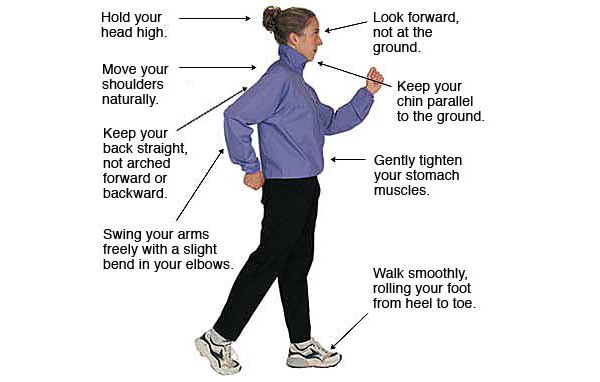
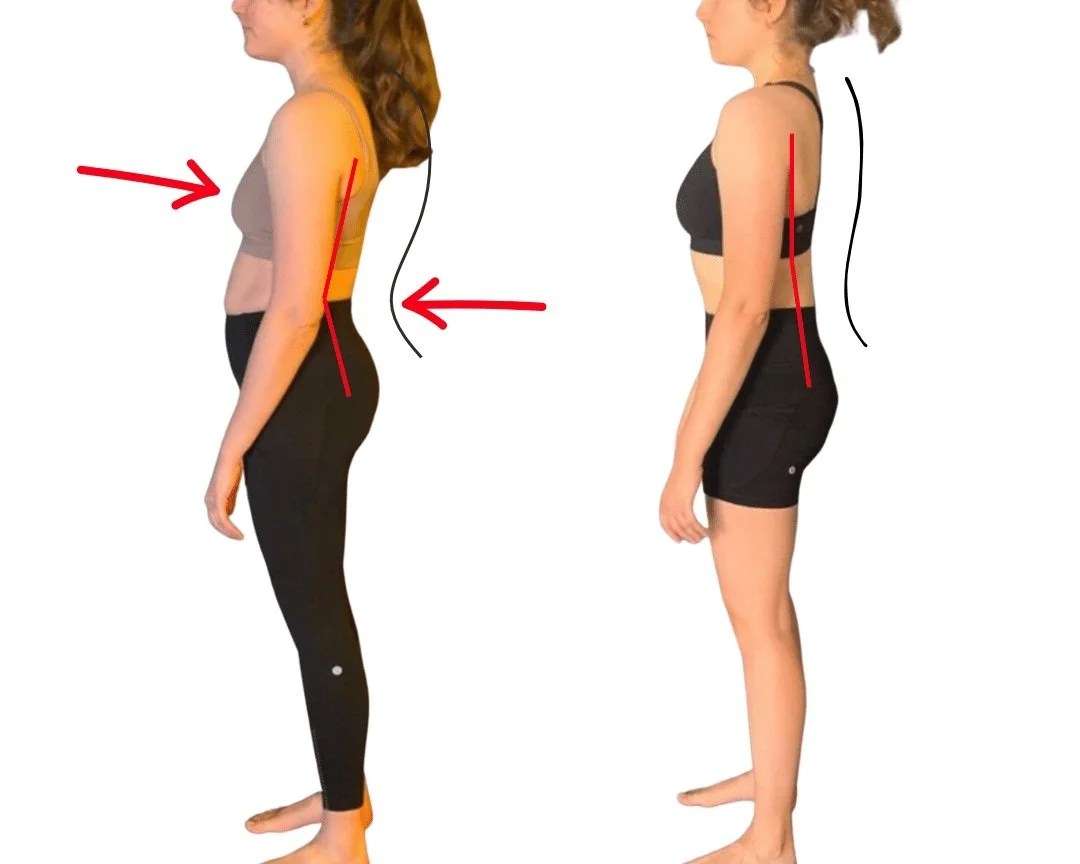
1. Your Posture reflects your identity
Before you say a word, your posture already declares what you believe about yourself.
As human beings created in God’s image, we were never designed to live small, hidden, or ashamed.
- Slouched posture often reflects a diminished view of self.
- Upright posture reflects a heart that knows: “I am created, seen, and valued by God.”
Walking with confidence is not about pride—it is about alignment with truth.
When you carry yourself well, you are not exalting yourself; you are honoring the Creator whose image you bear.
- Stand tall: imagine a string pulling the top of your head upward
- Shoulders back and relaxed (not stiff)
- Chest open, chin level (not up, not down)
Rule: If your body looks confident, your mind catches up.
2. Walk with Intention, Not Speed
- Walk slightly slower than rushed people
- Take full steps, not short shuffles
- Arms swing naturally (don’t lock them)
People who rush look anxious.
People who move with rhythm look confident.
3. Eyes Forward, Not Searching
- Look ahead, not at the floor
- When you look at people, pause for 1–2 seconds, then move on
- No darting eyes
Confidence says: “I belong here.”
4. Stillness Is Power
Confident people are comfortable with stillness.
- Stop completely when you stop
- Don’t fidget
- Don’t shift weight constantly
📌 Nervousness leaks through movement.
Confidence is calm control.
How to Talk with Confidence
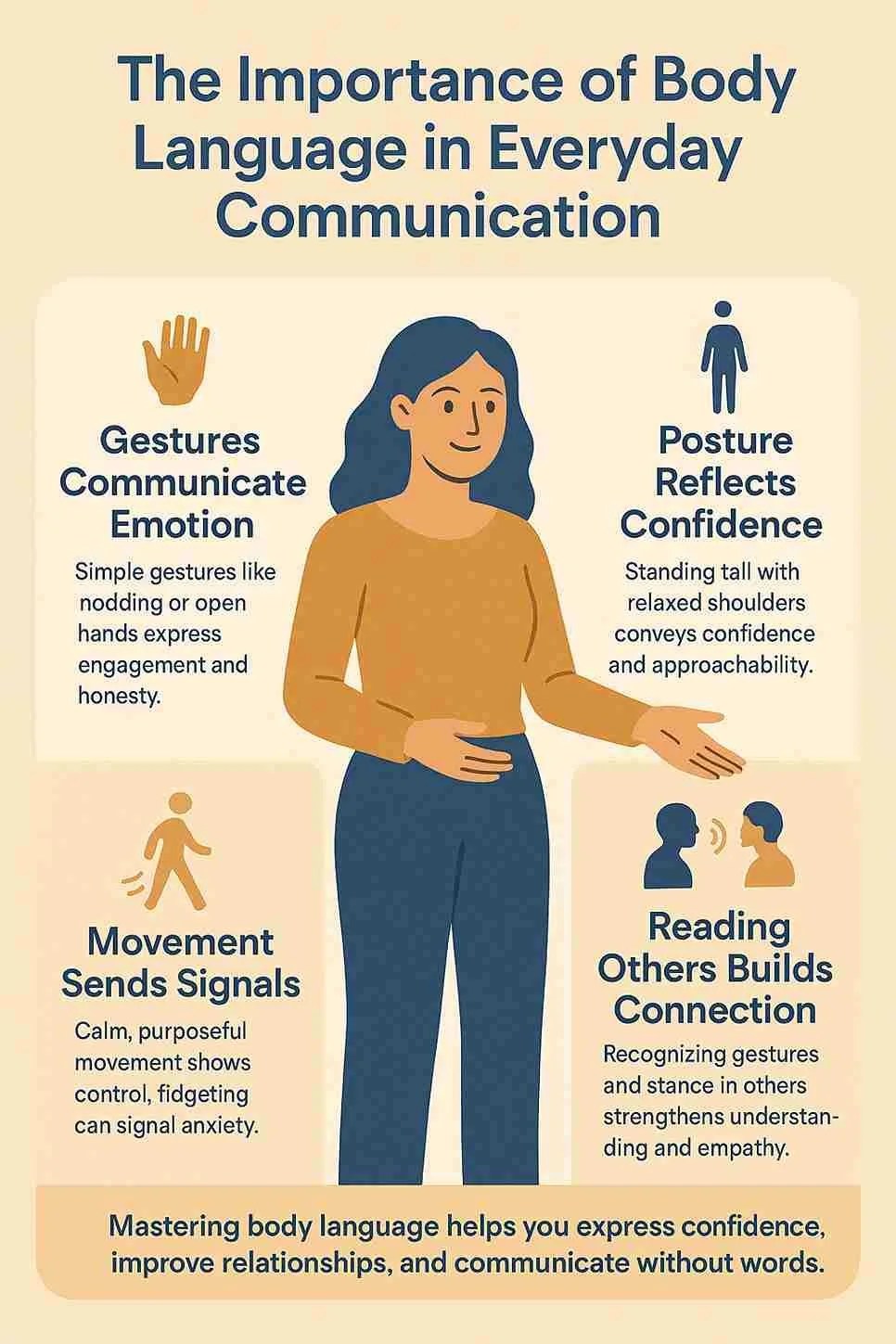
Confidence in speaking is clarity + pace + presence, not vocabulary.
1. Slow Down Your Pace
- Speak 10–20% slower than normal
- Insert short pauses after key sentences
📌 Fast speech = insecurity
📌 Calm pace = authority
2. Lower Your Vocal Ending
Avoid lifting your voice at the end of sentences (question tone).
- ❌ “I think this is a good idea?”
- ✅ “I think this is a good idea.”
📌 End down, not up.
3. Fewer Words, Stronger Impact
Confidence uses simple, clear sentences.
- Say one idea per sentence
- Avoid fillers: um, maybe, sort of, I think
📌 Silence is better than filler words.
4. Eye Contact: One Person at a Time
- Hold eye contact until the sentence finishes
- Then move to the next person
📌 Scanning = insecurity
📌 Connection = confidence
5. Speak from Conviction, Not Approval
Confident people don’t ask: “Do you like what I’m saying?”
They communicate: “This is what I believe.”
📌 Confidence is not arrogance.
📌 Confidence is clarity without apology.
A Simple Daily Confidence Drill (5 Minutes)
1 minute – posture reset
Stand tall, shoulders back, breathe deep.
2 minutes – slow walking
Walk intentionally, eyes forward, relaxed pace.
2 minutes – voice practice
Say 5 sentences:
- Slowly
- End each sentence downward
- Pause after each sentence
Closing Statement
Walking and speaking with confidence is not about drawing attention to yourself—it is about reflecting the One who made you.
When your posture reflects your God-given identity, you no longer need to shrink.
When your words flow from conviction rather than insecurity, you no longer need to perform.
Confidence is not arrogance.
Confidence is rest—resting in who God says you are.
So walk upright, not to prove your worth, but because your worth is already secure.
Speak clearly, not to impress others, but to faithfully express truth.
When identity is settled, confidence becomes natural.
And when confidence is rooted in God, it becomes quiet, steady, and powerful.
 budi hidajat