In life, many things happen beyond our control.
But our response shapes the trajectory of our lives.
Luke 19:1–10 — Zacchaeus’ Encounter
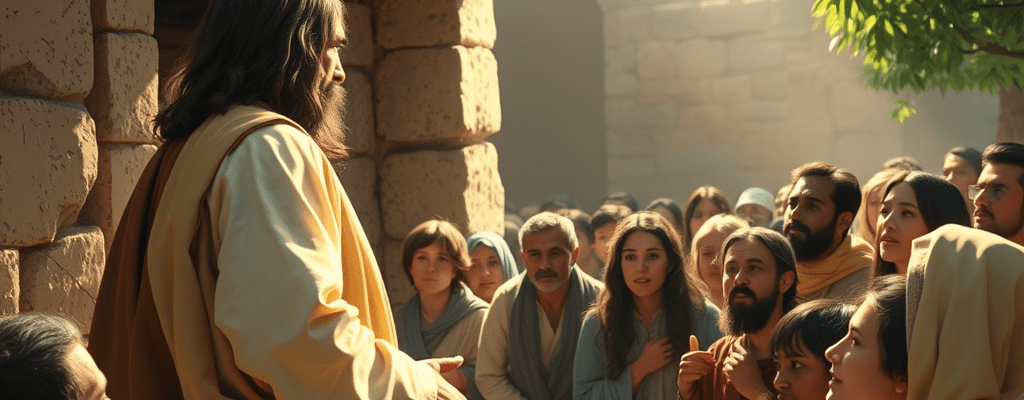
Jesus was going through the city of Jericho. 2 In Jericho there was a man named Zacchaeus. He was a wealthy, very important tax collector.3 He wanted to see who Jesus was. There were many others who wanted to see Jesus too. Zacchaeus was too short to see above the people. 4 So he ran to a place where he knew Jesus would come. Then he climbed a sycamore tree so he could see him.
5 When Jesus came to where Zacchaeus was, he looked up and saw him in the tree. Jesus said, “Zacchaeus, hurry! Come down! I must stay at your house today.” 6 Zacchaeus hurried and came down. He was happy to have Jesus in his house.7 Everyone saw this. They began to complain, “Look at the kind of man Jesus is staying with. Zacchaeus is a sinner!”
8 Zacchaeus said to the Lord, “I want to do good. I will give half of my money to the poor. If I have cheated anyone, I will pay them back four times more.” 9 Jesus said, “Today is the day for this family to be saved from sin. Yes, even this tax collector is one of God’s chosen people. 10 The Son of Man came to find lost people and save them.”
1. Recognize His Movement: Recognize The patterN and principles of how God works and Respond Correctly
Luke 19:1 — “Jesus entered Jericho and was passing through.”
Exposition: Jesus was passing through Jericho — God is always moving. The question is: Do we recognize it? Are positioning ourselves where God is moving?
Divine moments often come when we are alert, moving, and positioned.
Biblical Insight: God’s work follows recognizable patterns (e.g., pruning before fruitfulness, humility before honor) and principles (e.g., seek first the Kingdom, live by faith).
Cross-references:
- Isaiah 55:6 — “Seek the Lord while He may be found…”
- Proverbs 3:6 — “In all your ways acknowledge Him, and He will make straight your paths.”
Application
- God’s Word is full of patterns and principles — if we learn to recognize His ways and align ourselves rightly, we position ourselves for life-changing encounters that can alter the trajectory of our lives. By immersing ourselves in Scripture, studying God’s patterns and principles, and following them faithfully, we position ourselves for blessings and to be used by God to bless others.
- Stay spiritually awake; discern the signs of His movement with a mindful heart and a keen sense of awareness, allowing yourself to be receptive to the subtle cues and messages that guide you on your spiritual journey.
- Don’t force your way ahead — instead, recognize where God is already working in your life and join Him there. This means being attentive to the signs and opportunities that are presented to you, allowing divine guidance to lead your path rather than pushing through barriers on your own.
- Some things are not meant to be chased; what we need to do is to position ourselves where God is moving, understanding that in doing so, we align our hearts and actions with His divine purpose, creating opportunities for blessings and growth that surpass our own plans.
“In the kingdom of God, success is less about chasing opportunities and more about recognizing divine appointments.”
2. Realign to His Way
Luke 19:7 — “He has gone to be the guest of a sinner.”
Exposition:
The crowd misunderstood Jesus — they assumed Jesus wanted to stop by Zacchaeus’ house.
When Jesus said He would come to Zacchaeus’ house, in the Greek (menein), it means to remain, dwell, take over. God doesn’t want to be a guest; He wants to take over and transform our lives.
- (v.7) Everyone saw this. They began to complain, “Look at the kind of man Jesus is staying with. Zacchaeus is a sinner!” He values the genuine repentance of Zacchaeus over His own reputation, demonstrating that His mission is about reaching out to those who are lost and offering them forgiveness. This act of grace highlights the transformative power of acceptance and the importance of showing compassion to others, regardless of their past transgressions.
- The crowd thinks in exclusivity. Jesus’ heart is inclusivity. He prioritizes inclusion over exclusivity, demonstrating through his actions that he welcomes all individuals, regardless of their past or social status. This stance challenges societal norms and emphasizes the importance of love and acceptance in the face of judgment, inspiring others to rethink their beliefs about who deserves compassion and understanding. By choosing to associate with those deemed unworthy by society, he encourages a broader perspective that values every person’s potential for change and growth.
- He seeks to transform lives, not just touch them.
Cross-references:
- Revelation 3:20 — “I stand at the door and knock…”
- John 15:5 — “Abide in Me, and I in you.”
Application:
- Adjust your life not just to welcome blessings but to welcome the Blesser, who brings joy and purpose into our existence, filling our days with hope and an abundance of grace.
- As Zacchaeus positioned himself on the road that Jesus would pass by, we too should carefully realign ourselves to be in the way of God, making intentional choices to live life His way.
- As God transformed the life of Zacchaeus, let God transform you and change the trajectory of your life, to be an instrument of the Kingdom, embracing the purpose He has for you and allowing His love to shine through your actions and decisions each day.
“God does not visit to entertain; He enters to transform.”
3. Reflect His Heart: Shift from Self-Focus to People-Focus
Luke 19:8 — “Look, Lord! Here and now I give half of my possessions to the poor…”
Exposition: After meeting Jesus, Zacchaeus’ focus radically shifted:
- From self → others,
- From grasping → giving,
- From taking → blessing.
Maturity in Christ is seen when we stop asking, “How can God bless me?” and start living, “How can I bless others?” This transformation in perspective marks a significant spiritual growth, as it shifts our focus from self-centered desires to a deeper understanding of service and love for those around us. When we embrace this mindset, we begin to embody Christ’s teachings and reflect His love in our daily interactions. Our lives become a testament to His grace, as we actively seek opportunities to uplift, support, and encourage others, recognizing that true fulfillment comes not from receiving blessings but from being a channel of blessings to those in need. In doing so, we not only enhance our own spiritual journey but also contribute to the collective growth of our community in Christ.
Cross-references:
- Genesis 12:2 — “You will be a blessing.”
- Philippians 2:4 — “Let each of you look not only to his own interests, but also to the interests of others.”
Application:
1. Life is Always About People: Blessing and Serving Others
- Explanation: At the core of the Christian life is relational love — not achievements, not possessions, but people. God’s greatest commandments are about loving Him and loving others (Matthew 22:37–39).
- Practical Steps:
- Begin each day by asking, “Who can I serve or encourage today?”
- Be attentive to the needs of those around you — family, colleagues, neighbors, strangers.
- Prioritize relationships over personal agendas.
- Biblical Reflection:
- 1 John 4:20 — “Whoever does not love their brother and sister, whom they have seen, cannot love God, whom they have not seen.”
- Galatians 5:13 — “Serve one another humbly in love.”
- Key Thought: “In God’s economy, people are the greatest treasure.”
2. See Your Work, Plans, and Success as Platforms for Serving People
- Explanation: Whatever field or calling you are placed in — business, education, ministry, family — it is not an end in itself. Your work is a platform to bless. Your success is a tool to serve.
- Practical Steps: View promotions and opportunities as a greater stewardship to impact others.
- Biblical Reflection:
- Genesis 12:2 — “I will bless you… and you will be a blessing.”
- Colossians 3:23–24 — “Whatever you do, work at it with all your heart, as working for the Lord.”
3. Reflect Christ’s Heart: Inclusive, Generous, Life-Giving
- Explanation: Mature Christians mirror Jesus — touching people’s lives with grace and truth.
Our lives should give life, lift burdens, and welcome the weary. - Practical Steps:
- Cultivate inclusiveness: be welcoming, not judgmental. Create safe spaces where broken people can heal.
- Practice generosity: time, encouragement, finances — live with an open hand.
- Be intentional: ask yourself, “Is my presence today making someone’s life lighter?”
- Biblical Reflection:
- Matthew 11:28 — “Come to me, all you who are weary and burdened, and I will give you rest.”
- 2 Corinthians 9:8 — “God is able to bless you abundantly, so that… you will abound in every good work.”
- Key Thought:“Christ’s followers don’t just build walls; they build bridges.”
“When God blesses your life, it’s never just about you — it’s always about those around you.”
Closing Statement:
Your life trajectory is shaped by more than circumstances — it is forged by your recognition, realignment, and reflection.
Don’t miss God’s movement.
Don’t resist His way.
Don’t withhold His blessing.
When you recognize His movement, realign your life, and reflect His heart — you won’t just experience life change; you’ll become an agent of change.
Don’t let Jesus just pass through your life — let Him take over and rewrite your future.
Here’s a super simple version of the three points for audience memory:
✅ Recognize His Movement
✅ Realign to His Way
✅ Reflect His Heart
 budi hidajat